We’re living through a fascinating paradox. As artificial intelligence (AI) becomes more capable by the day, it’s human intelligence that’s becoming the rarest and most valuable asset in business.
AI can write code, predict patterns and even conduct interviews, but what it can’t replicate is judgement, empathy, curiosity and the ability to navigate complexity when there isn’t a clear right answer. These are the qualities that separate good teams from great ones – and they’re exactly what many organisations are overlooking in their rush to automate.
At Needus, we’re seeing this shift play out across Australia’s tech sector. Job descriptions that once focused on specific technical skills – say, a Python developer or network engineer – are now evolving into roles that demand critical thinking, adaptability and business understanding. In short, the smartest employers are hiring people who think before they code.
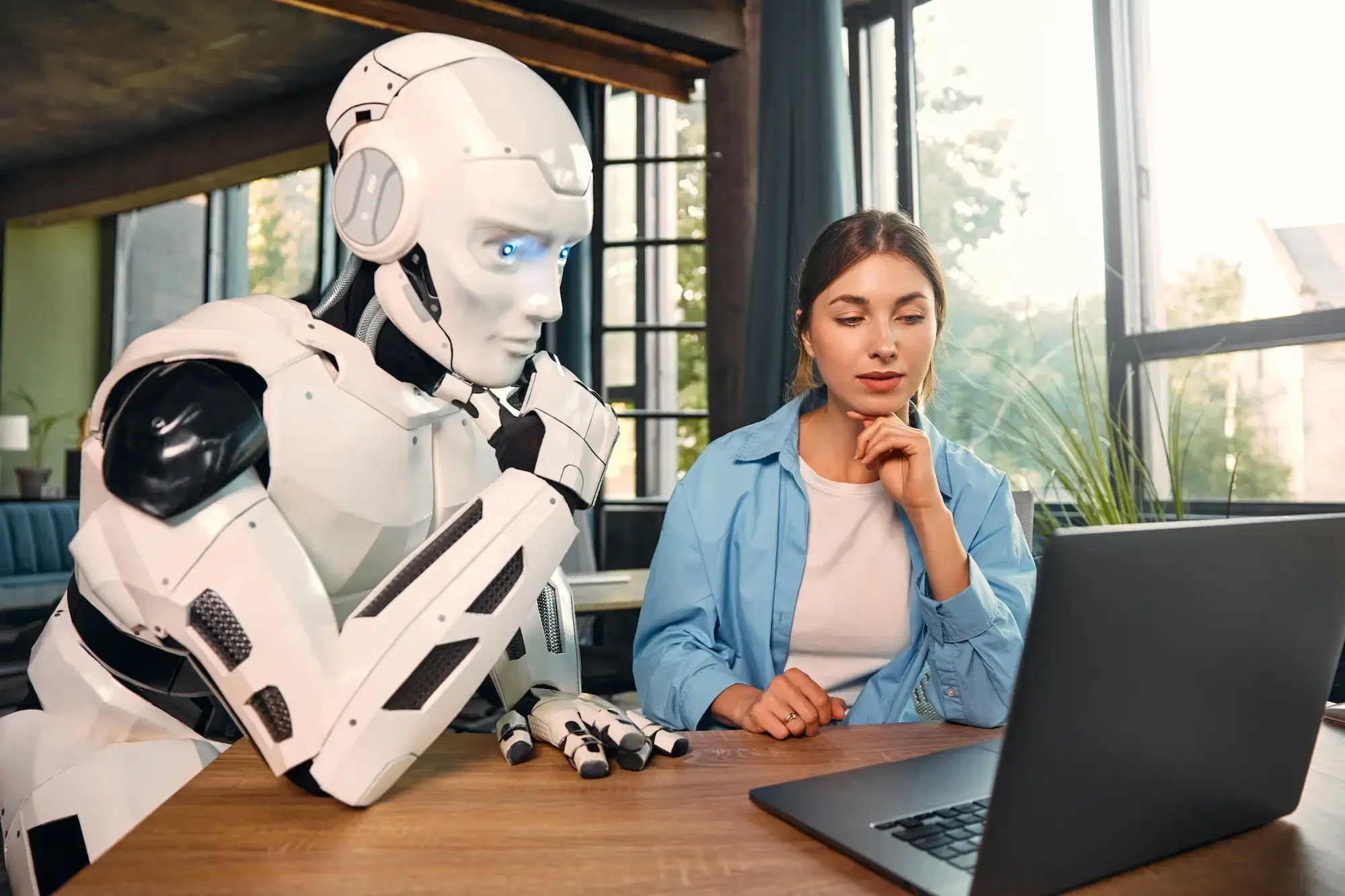
This isn’t about rejecting AI, it’s about recognising that human and artificial intelligence complement one another. When machines handle repetitive or data-heavy tasks, it frees people to focus on creativity, strategy and relationships – the very things that make work meaningful.
The real challenge for leaders isn’t whether to adopt AI, but how to create teams capable of working alongside it. That means identifying individuals who are comfortable experimenting, asking questions and learning fast. It means rewarding problem-solvers over process-followers. And it means shifting recruitment conversations from “What do you know?” to “How do you think?”.
In cybersecurity, this mindset is mission-critical. Automated systems can detect anomalies at scale, but it takes a human to interpret intent, assess impact and make ethical decisions under pressure. The best cyber professionals don’t just understand technology – they understand people.
As Australia competes globally for top tech talent, we can’t win by simply chasing skills. We need to build environments where curiosity thrives, diverse perspectives are valued and failure is once again treated as a learning tool. That’s how we’ll future-proof our workforce in the AI era.
Because while AI may be powerful, it’s still a reflection of the people who build, train and deploy it. The future belongs to leaders who invest not just in smarter machines, but in wiser humans.
This article was originally featured in Connector magazine, published by the Australian Information Industry Association (AIIA).